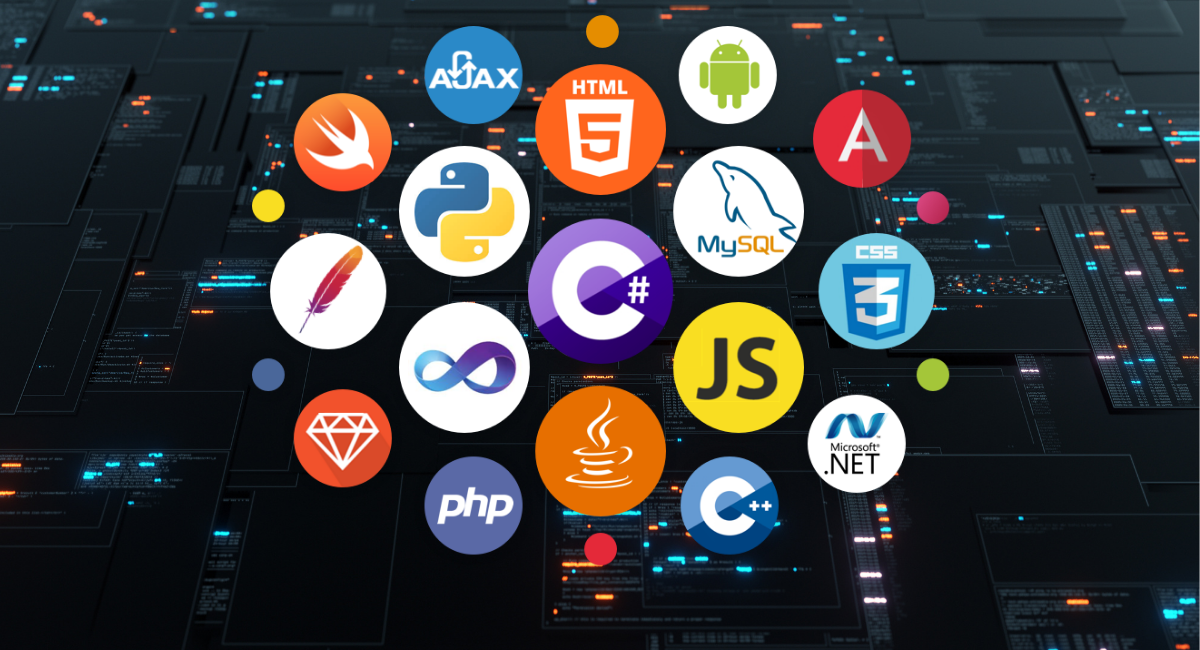
Choosing the right programming language to learn can be confusing, especially with so many options available. As technology continues to evolve in 2026, some programming languages stand out due to their strong job demand, versatility, and long term relevance. Learning the right language can significantly impact your career growth and open doors to high paying opportunities across industries.
This guide explores the top programming languages to learn in 2026, focusing on real world usage, industry demand, and future potential.
Table of Contents
Why Choosing the Right Programming Language Matters
Programming languages are tools, and each tool is designed for specific tasks. Some languages are ideal for web development, others for data science, system programming, or artificial intelligence. Learning a language that aligns with industry needs ensures your skills remain valuable over time.
According to data published by the U.S. Bureau of Labor Statistics, software development roles are projected to grow much faster than average, making programming a strong career choice. However, not all languages offer the same level of opportunity, which is why informed decision making is essential.
Python
Python continues to dominate as one of the most popular and beginner friendly programming languages in 2026. Its clean syntax and readability make it an excellent starting point for new programmers, while its powerful libraries attract experienced developers.
Python is widely used in artificial intelligence, machine learning, data science, automation, web development, and cybersecurity. Major companies rely on Python for building scalable and intelligent systems.
The official Python website provides extensive documentation and learning resources, making it easier for beginners to get started and grow their skills.
Python’s strong community support and constant updates ensure it remains future proof and relevant across multiple domains.
JavaScript
JavaScript is the backbone of modern web development and remains essential in 2026. It allows developers to create interactive, dynamic, and responsive websites. Almost every website today uses JavaScript in some form.
With frameworks like React, Vue, and Angular, JavaScript has expanded beyond simple scripts to full scale application development. On the backend, technologies like Node.js allow developers to build complete server side applications using JavaScript.
For learning and reference, MDN Web Docs offers one of the most reliable and comprehensive JavaScript resources available today.
JavaScript’s versatility makes it an excellent choice for developers who want to work in frontend, backend, or full stack roles.
Java
Java has been a reliable programming language for decades and continues to maintain its relevance in enterprise environments. In 2026, Java is still widely used in large scale systems, Android development, financial platforms, and backend services.
Java is known for its stability, performance, and platform independence. Many corporations rely on Java for mission critical applications due to its strong security and scalability features.
The official Java documentation by Oracle provides structured learning paths and technical references, making it a solid choice for developers targeting corporate or enterprise roles.
C and C++
C and C++ remain important for system level programming, game development, embedded systems, and performance critical applications. These languages offer fine control over memory and hardware, which is essential in areas like operating systems and real time applications.
Although C and C++ have a steeper learning curve, mastering them provides a strong foundation in computer science concepts. Many modern languages are built on principles introduced by C and C++.
Developers interested in low level programming or performance optimization often start with these languages to understand how software interacts with hardware.
Go
Go, also known as Golang, has gained significant popularity due to its simplicity and efficiency. Developed by Google, Go is widely used for cloud computing, distributed systems, and backend services.
Go is designed to handle concurrency efficiently, making it ideal for modern applications that require high performance and scalability. Many cloud based platforms and DevOps tools rely on Go for reliability and speed.
The official Go website provides clear documentation and examples, making it easier for developers to learn and adopt the language.
Rust
Rust has emerged as a powerful language focused on safety and performance. It is particularly popular for system programming, blockchain development, and security focused applications.
Rust prevents common programming errors such as memory leaks and null pointer issues, making it a preferred choice for building secure and reliable software.
Although Rust requires more effort to learn, its growing adoption by major tech companies indicates strong future demand. For learning resources, Rust official documentation offers beginner friendly guides and tutorials.
Which Programming Language Should You Choose
The best programming language to learn depends on your goals. If you are a beginner, Python or JavaScript offers an easy entry point. For enterprise or Android development, Java is a strong option. If you are interested in performance and system level work, C++, Go, or Rust may be more suitable.
Learning one language deeply is more beneficial than superficially learning many. Once you understand core programming concepts, switching between languages becomes much easier.
Final Thoughts
In 2026, programming remains one of the most valuable and adaptable skills you can learn. Technologies may change, but strong programming fundamentals remain timeless. Choosing a language with real world demand ensures your efforts translate into meaningful opportunities.
By focusing on industry needs, continuous learning, and practical application, you can build a programming career that grows with the future.
Also Check What Is Programming? Comprehensive Guide to Coding in 2026
1 thought on “Top Powerful Programming Languages to Learn in 2026”