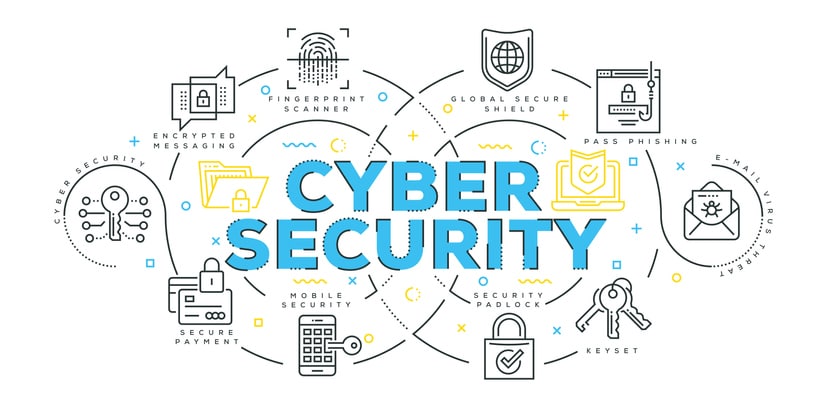
In 2026, the digital landscape has become more complex and interconnected than ever before. With increased reliance on online services, cloud computing, IoT devices, and remote work, cybersecurity has become a critical concern for individuals, businesses, and governments. Cyber threats are growing in sophistication, making it essential to understand the fundamentals of cybersecurity and how to protect digital assets.
According to IBM Security, cyber attacks are becoming more frequent and sophisticated, targeting sensitive information, financial systems, and even critical infrastructure. Understanding basic cybersecurity principles is the first step in defending against these threats.
This blog covers the essentials of cybersecurity in 2026, providing actionable insights, common threats, and best practices to protect yourself in the digital age.
Table of Contents
What Is Cybersecurity?
Cybersecurity refers to the practice of protecting computers, networks, programs, and data from unauthorized access, attacks, or damage. It encompasses strategies, technologies, and practices designed to safeguard digital systems from both external and internal threats.
As defined in Cisco Cybersecurity Basics, cybersecurity includes measures to prevent, detect, and respond to cyber incidents. These measures help ensure the confidentiality, integrity, and availability of information systems.
Cybersecurity is not only relevant for businesses and government organizations; individuals also need to be aware of online risks, including phishing attacks, malware, and identity theft.
Why Cybersecurity Matters in 2026
The digital landscape in 2026 is highly interconnected. Businesses rely on cloud services, online transactions are ubiquitous, and IoT devices are present in homes, workplaces, and public spaces. This connectivity increases the attack surface, making systems more vulnerable.
According to World Economic Forum Cybersecurity Report, cybercrime is projected to cost the global economy trillions annually. Protecting digital assets is no longer optional; it is essential for financial security, privacy, and operational continuity.
Strong cybersecurity practices help prevent data breaches, ransomware attacks, and system downtime, while also ensuring compliance with regulations such as GDPR and other regional privacy laws.
Common Cyber Threats in 2026
Phishing Attacks
Phishing attacks involve tricking users into revealing sensitive information such as login credentials or financial data. Attackers use emails, fake websites, or social media messages to lure victims. According to Kaspersky Phishing Insights, phishing remains one of the most common cyber threats.
Ransomware
Ransomware is malicious software that encrypts files or systems and demands a ransom to restore access. Businesses and individuals are increasingly targeted, causing significant financial and operational damage. Sophos Ransomware Report highlights the growing frequency of ransomware attacks in 2026.
Malware
Malware includes viruses, trojans, spyware, and other malicious software designed to disrupt or gain unauthorized access to systems. Malware infections can steal sensitive data, slow down systems, or compromise network security.
Social Engineering
Social engineering attacks manipulate individuals into revealing confidential information. Attackers exploit human psychology rather than technical vulnerabilities, making awareness and training critical defenses.
IoT Vulnerabilities
With the rise of smart devices, IoT security has become a major concern. Poorly secured devices can be exploited to gain access to home networks or even corporate systems.
Essential Cybersecurity Practices
Use Strong Passwords and Multi-Factor Authentication
Create complex passwords and change them regularly. Enable multi-factor authentication (MFA) wherever possible to add an extra layer of security. According to NIST Digital Identity Guidelines, MFA significantly reduces the risk of unauthorized access.
Keep Software and Systems Updated
Regularly updating operating systems, applications, and antivirus software ensures protection against known vulnerabilities. Cybercriminals often exploit outdated software to gain access.
Secure Your Network
Use firewalls, VPNs, and secure Wi-Fi configurations to protect network communications. Cisco Networking Security Guidelines provide best practices for both home and corporate networks.
Regular Backups
Maintain regular backups of critical data. In the event of ransomware or hardware failure, backups allow systems to be restored with minimal loss.
Be Cautious Online
Avoid clicking on suspicious links or downloading unknown files. Verify emails, websites, and messages before sharing sensitive information.
Employee Training
For businesses, educating employees about cybersecurity threats is essential. Human error remains one of the leading causes of security breaches.
Emerging Cybersecurity Technologies
AI and Machine Learning in Cybersecurity
AI and Machine Learning are increasingly used to detect anomalies, predict threats, and automate responses. According to Forbes AI in Cybersecurity, AI-driven security systems can analyze massive datasets to identify patterns that indicate potential attacks.
Blockchain for Secure Transactions
Blockchain technology ensures secure and transparent transactions, reducing the risk of tampering and fraud. It is being applied in finance, supply chain management, and digital identity verification.
Cloud Security Solutions
As more businesses move to the cloud, cloud-native security tools are essential for monitoring and protecting data. Leading cloud providers offer integrated security services to detect and mitigate threats in real time.
Conclusion
Cybersecurity in 2026 is more important than ever, impacting individuals, businesses, and society as a whole. Understanding common threats, following essential security practices, and leveraging emerging technologies are key to protecting digital assets. Awareness, continuous learning, and proactive measures are essential for staying safe in an increasingly connected world.
Staying informed about cybersecurity trends and best practices empowers users to defend against threats, maintain privacy, and ensure the integrity of digital systems.
Also Check The Future of AI in 2026 – Trends and Powerful Technologies
1 thought on “Cybersecurity Basics – Comprehensive Guide – 2026”