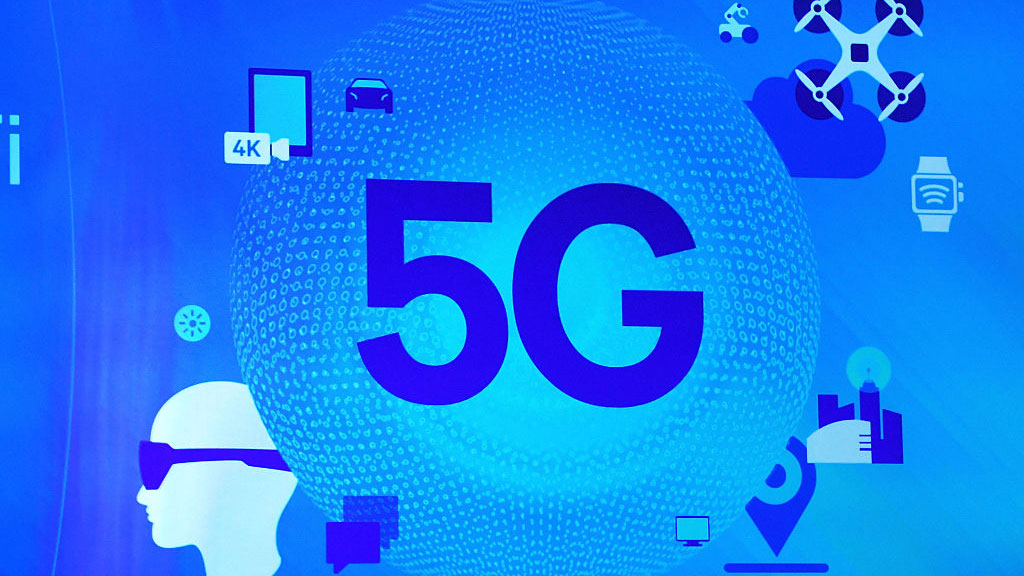
The arrival of 5G technology networks is revolutionizing global connectivity in 2026. Offering unprecedented speed, low latency, and high capacity, 5G is enabling a new era of innovation, from smart cities and autonomous vehicles to telemedicine and immersive experiences. Beyond 5G, next-generation technologies promise to further enhance communication, supporting billions of connected devices and ultra-reliable low-latency networks.
According to GSMA – 5G Insights, 5G adoption is accelerating globally, with telecom providers and industries leveraging its capabilities to deliver transformative applications. Businesses, governments, and consumers are benefiting from faster, more reliable, and more secure connectivity.
This blog explores how 5G and emerging connectivity technologies are shaping industries, enhancing communication, and driving the digital economy in 2026.
Table of Contents
What Is 5G Technology?
5G, or fifth-generation wireless technology, is the successor to 4G LTE networks. It provides:
- High-Speed Data Transfer: Speeds up to 10 Gbps, enabling rapid downloads and uploads
- Ultra-Low Latency: Response times as low as 1 millisecond, critical for real-time applications
- Massive Device Connectivity: Supports millions of devices per square kilometer, ideal for IoT networks
According to Qualcomm 5G Technology Overview, 5G networks use advanced technologies such as millimeter-wave frequencies, massive MIMO (Multiple Input Multiple Output), and network slicing to deliver enhanced performance.
Impact on Industries
1. Autonomous Vehicles and Transportation
5G’s low latency and high reliability are essential for autonomous vehicles. Real-time communication between vehicles, infrastructure, and cloud systems enables safer navigation, traffic management, and accident prevention.
As highlighted by Intel Autonomous Driving 5G Insights, 5G facilitates Vehicle-to-Everything (V2X) communication, allowing cars, traffic signals, and pedestrians to interact seamlessly.
2. Smart Cities and IoT
Smart cities rely on connected devices to manage traffic, energy, waste, and public safety efficiently. 5G networks support large-scale IoT deployments, enabling real-time monitoring and automation.
According to Cisco Smart Cities 5G, 5G technology allows cities to implement intelligent infrastructure, optimize resource usage, and improve citizens’ quality of life.
3. Telemedicine and Remote Healthcare
5G empowers telemedicine by providing high-quality, real-time video consultations, remote diagnostics, and remote surgery. Low latency ensures that critical medical procedures and monitoring are precise and reliable.
As noted by WHO Digital Health & 5G, 5G technology enhances healthcare access, particularly in remote and underserved areas, improving patient outcomes and reducing operational costs.
4. Immersive Media and Entertainment
Augmented Reality (AR), Virtual Reality (VR), and cloud gaming require high-speed, low-latency networks to deliver smooth experiences. 5G enables immersive media applications by reducing lag, increasing bandwidth, and supporting multiple users simultaneously.
According to Unity 5G AR/VR Insights, entertainment, education, and training platforms leverage 5G to provide engaging and interactive experiences previously limited by network constraints.
5. Industrial Automation and Manufacturing
Industrial IoT and automation benefit from 5G’s reliability and speed. Factories can implement real-time monitoring, predictive maintenance, and autonomous robots to optimize production and reduce downtime.
As highlighted by Siemens 5G Industrial Solutions, 5G networks enhance operational efficiency, safety, and adaptability in manufacturing environments.
Challenges of 5G Implementation
Despite its advantages, 5G technology faces challenges:
- Infrastructure Costs: Building dense networks of small cells is expensive
- Spectrum Availability: High-frequency bands require regulatory approval and allocation
- Security Concerns: More connected devices increase attack surfaces
- Global Coverage: Rural and remote areas may face delays in adoption
According to IEEE 5G Challenges, overcoming these challenges requires collaboration between governments, telecom operators, and technology providers.
Beyond 5G: Future Connectivity
Research into 6G and beyond promises even faster speeds, enhanced AI integration, and global coverage. Future networks aim to support holographic communication, ultra-massive IoT, and seamless integration of AI-driven services.
According to ITU 6G Vision, next-generation connectivity will redefine how humans, devices, and machines interact, enabling applications that were previously unimaginable.
Conclusion
5G technology in 2026 is transforming industries, enhancing connectivity, and driving innovation across sectors. From autonomous vehicles and smart cities to telemedicine and immersive media, 5G networks provide the foundation for a connected, intelligent, and efficient world.
Understanding 5G applications, preparing for infrastructure challenges, and exploring future connectivity trends are essential for businesses, governments, and individuals. As 5G matures and paves the way for next-generation networks, the potential for technological innovation and societal impact continues to grow exponentially.
Also Check Powerful Rise of Blockchain Beyond Cryptocurrency in 2026
1 thought on “5G Technology – Powerful Connectivity Ever – 2026”